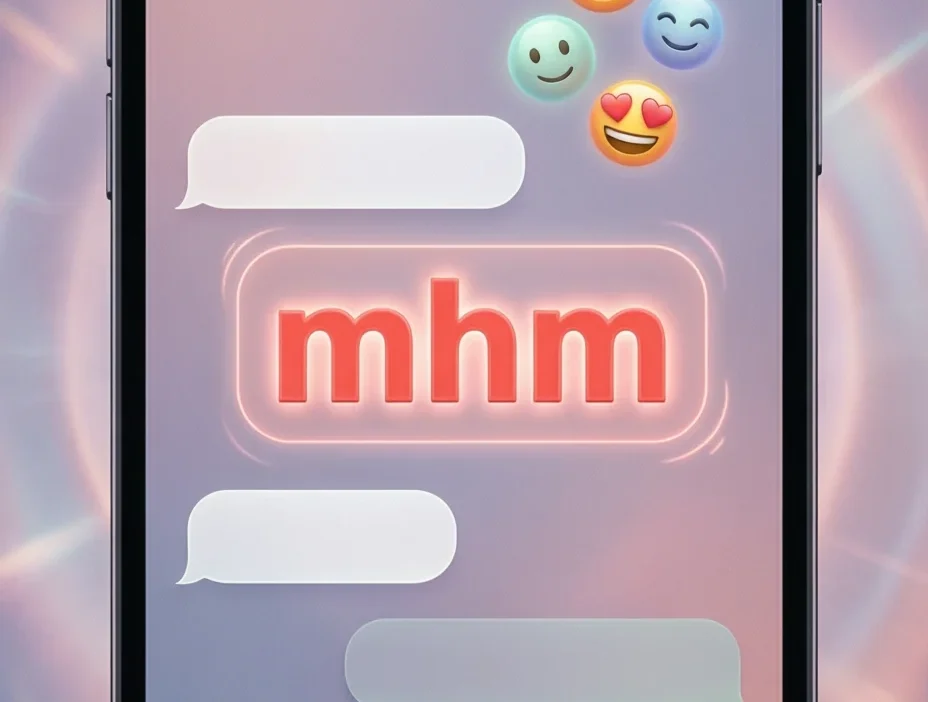
MHM means “yes” or “I agree.” It’s a casual, relaxed, sometimes neutral way of acknowledging or agreeing with someone—often used when the sender doesn’t feel like typing a full response.
You’re scrolling through your messages late at night, half-asleep, when you see a reply that just says “mhm”. No emojis. No explanation. Just… mhm.
At first, you pause. Is that a yes? A maybe? Are they annoyed? Agreeing? Being sarcastic? 😅
If you’ve ever felt confused by this tiny three-letter response, you’re definitely not alone. “mhm” is one of those text slang terms that looks simple but can carry a lot of meaning depending on tone and context.
🧠 What Does MHM Mean in Text?
MHM is an informal text expression that mimics the sound someone makes when they agree verbally—like nodding your head and saying “mm-hmm.”
In texting, mhm usually means:
- Yes
- I agree
- I understand
- That’s correct
However, its tone can change depending on context. It can sound friendly, neutral, lazy, or even slightly annoyed if used alone.
Simple example:
“You’re coming later, right?”
“mhm”
Here, the sender is clearly saying yes without adding extra emotion.
In short:
MHM = “mm-hmm” = yes / agreed / I understand.
📱 Where Is MHM Commonly Used?
You’ll see mhm all over the internet, especially in casual digital spaces. It’s not fancy—but it’s efficient.
🌐 Common places you’ll find “mhm”:
- 📩 Text messages
- 👻 Snapchat
- 📸 Instagram DMs
- 🎮 Gaming chats
- 🎵 TikTok comments
- 💬 WhatsApp & Messenger
📝 Tone & formality:
- ✅ Casual
- ✅ Friendly
- ❌ Not formal
- ❌ Not professional
Think of mhm as something you’d say to a friend, not your boss or a client.
💬 Examples of MHM in Conversation
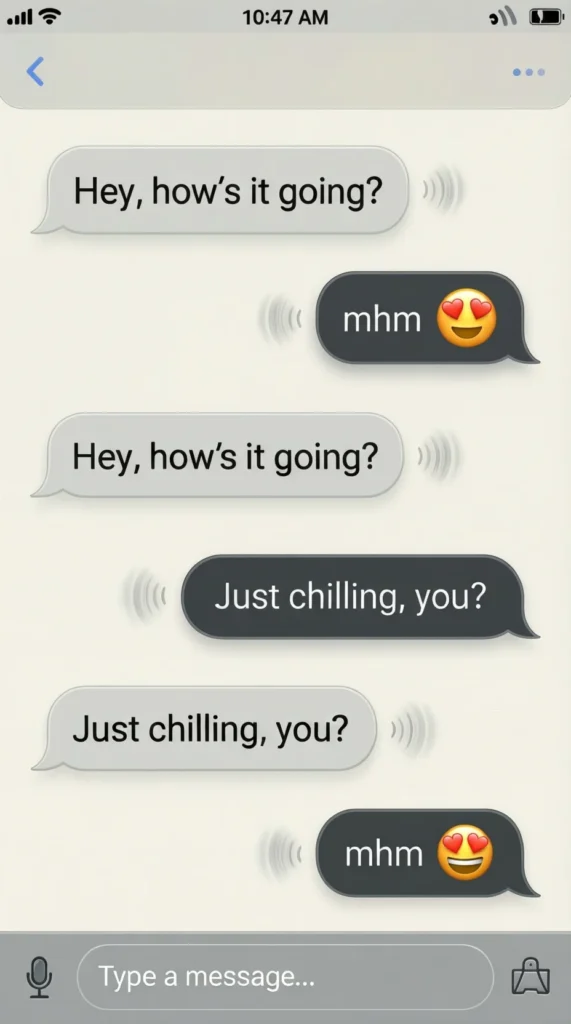
Here are some realistic ways people use mhm in everyday chats:
Example 1
A: “you still mad at me?”
B: “mhm 😅”
Example 2
A: “i’ll text you when i’m home”
B: “mhm 👍”
Example 3
A: “so we’re skipping class today?”
B: “mhm lol”
Example 4
A: “you already ate?”
B: “mhm just finished”
Example 5
A: “you listening to me?”
B: “mhm i am”
Example 6
A: “that movie was boring”
B: “mhm fr”
👉 Notice how tone depends on emojis or extra words.
🕓 When to Use and When Not to Use MHM
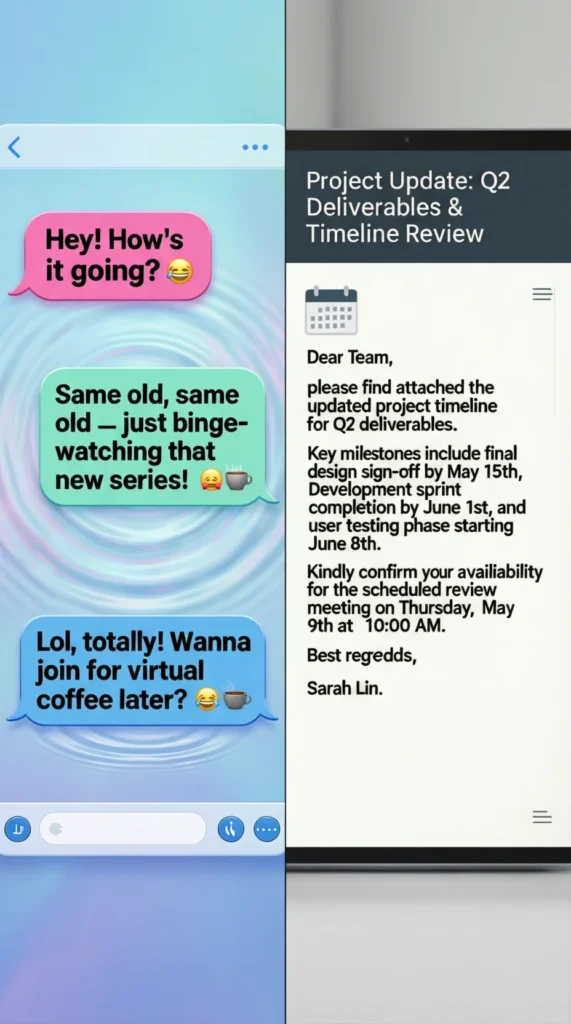
Like most slang, mhm works great in some situations—and terribly in others.
✅ When to Use MHM
- Casual chats with friends
- Quick confirmations
- Relaxed conversations
- When tone doesn’t need to be super clear
- Informal social media replies
❌ When Not to Use MHM
- Work emails
- Professional chats
- Serious conversations
- Emotional or sensitive moments
- When clarity really matters
📊 Context Comparison Table
| Context | Example Phrase | Why It Works |
|---|---|---|
| Friend Chat | “no rush, mhm 😄” | Casual & friendly |
| Partner Text | “mhm ❤️” | Soft agreement |
| Work Chat | “Yes, that works for me.” | Clear & professional |
| “I agree with the proposal.” | Formal & respectful | |
| Argument | “mhm.” | Sounds dismissive |
🔄 Similar Slang Words or Alternatives
If you don’t want to use mhm, here are some popular alternatives and when to use them:
| Slang | Meaning | When to Use |
|---|---|---|
| yeah | yes / agreement | Casual chats |
| yup | informal yes | Friendly tone |
| uh-huh | yes / acknowledgment | Spoken-style texting |
| ok | agreement / neutral | Any casual setting |
| sure | willing agreement | Polite response |
| bet | confident yes | Youth slang |
Each option carries a slightly different vibe—choose based on mood and audience.
❓ FAQs
Q1: Is mhm rude?
Not usually — but it can sound dismissive if someone expects more engagement.
Q2: Does mhm always mean yes?
Most of the time, yes. But sometimes it just means I hear you.
Q3: Is mhm flirty?
Not by itself. It can feel flirty if paired with emojis or tone.
Q4: Can I use mhm at work?
It’s better to avoid it in professional settings.
Q5: Why do people reply with mhm instead of yes?
It feels more relaxed, effortless, and conversational.
🧾 Conclusion
MHM is a small but powerful piece of modern texting language. While it technically just means yes or I agree, its tone depends entirely on how, when, and where you use it.
Used casually, it feels relaxed and natural. Used poorly, it can seem lazy or dismissive. So next time you see—or send—a “mhm”, think about the context and add a little extra flair if needed 😉